About
About
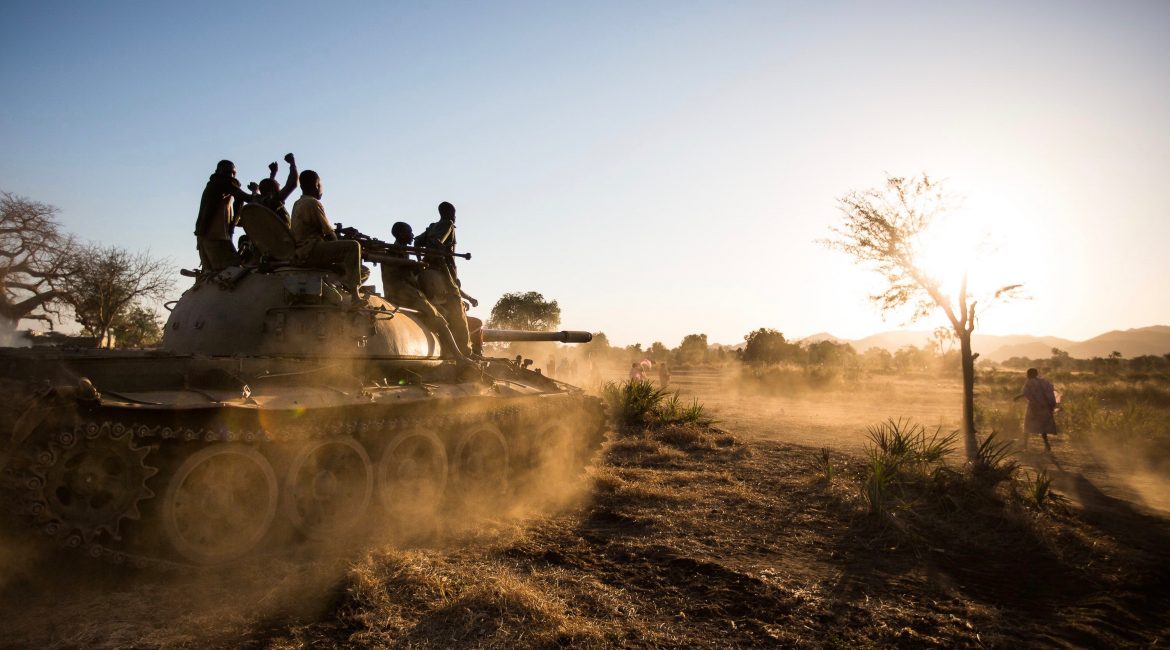
We want to provide credible, compelling reportage about the fighting along the Nuba Mountains where thousands of civilians now hide, from Sudan Armed Forces, inside caves.
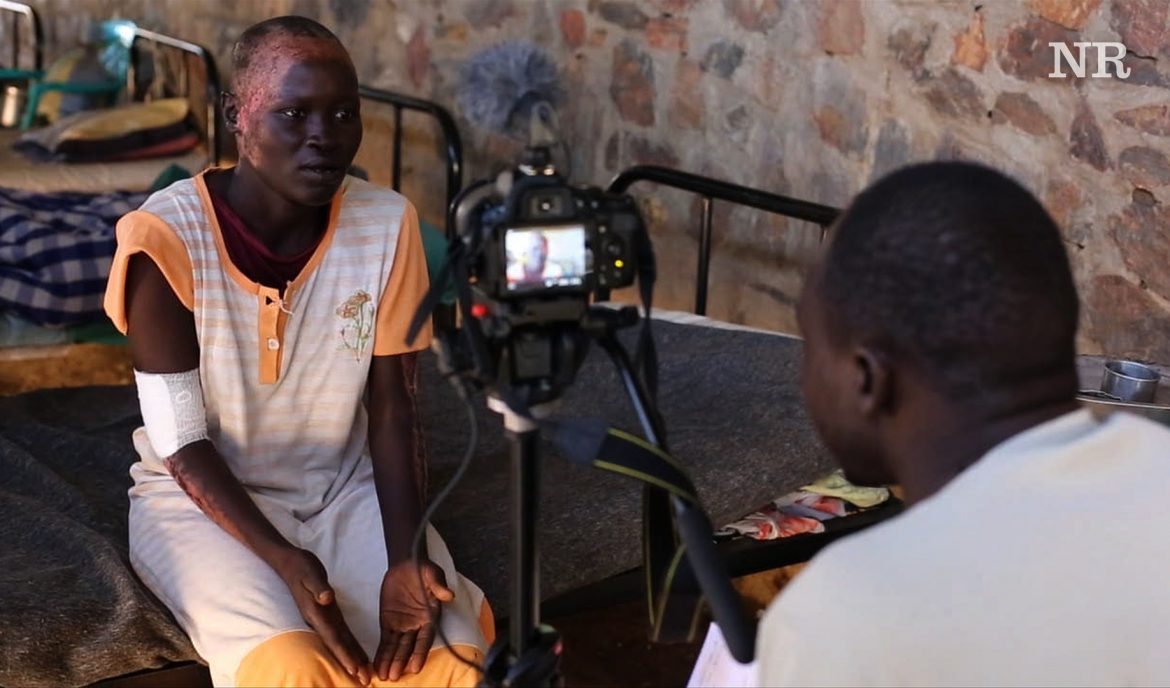
Eyes and Ears Nuba is a network of citizen reporters dedicated to covering the war along the Nuba Mountains. After fighting broke out in June 2011, the government of Sudan banned journalists from the region. Nuba Reports was founded in order to provide the international community and the people of Sudan with credible and compelling dispatches from the frontlines
|
BREAKING |
REPORTS |
FEATURES |
INCIDENT MAP |
MEDIA |
Our reporters have helped dozens of journalists safely enter and report on the fighting. If you are a journalist interested in working with our reporters or using our material, please visit our contact page.
Background
Sudan’s decades-long civil war claimed two million lives and left two million more homeless. In 2005, the Sudan People’s Liberation Movement and the ruling National Congress Party signed a peace agreement. Among other things, it called for national elections, a census, popular consultations (which would allow the people to renegotiate political policies), and a commission to investigate human rights abuses by the government. Since then, the people of Southern Kordofan have complained of delayed elections, a census that incorrectly reflects their numbers, suspended popular consultations, and still no investigation regarding human rights abuses by their government.
The fighting again erupted, in June 2011, along the Nuba Mountains in Southern Kordofan, shortly after the disputed state election of Ahmed Haroun, an indicted war criminal. Many people in Southern Kordofan believe that Haroun was appointed governor by the central government, not through a democratic election. The president of Sudan, Omar Hassan al-Bashir, is also wanted by the International Criminal Court for crimes against humanity and war crimes committed in Darfur, in addition to genocide.
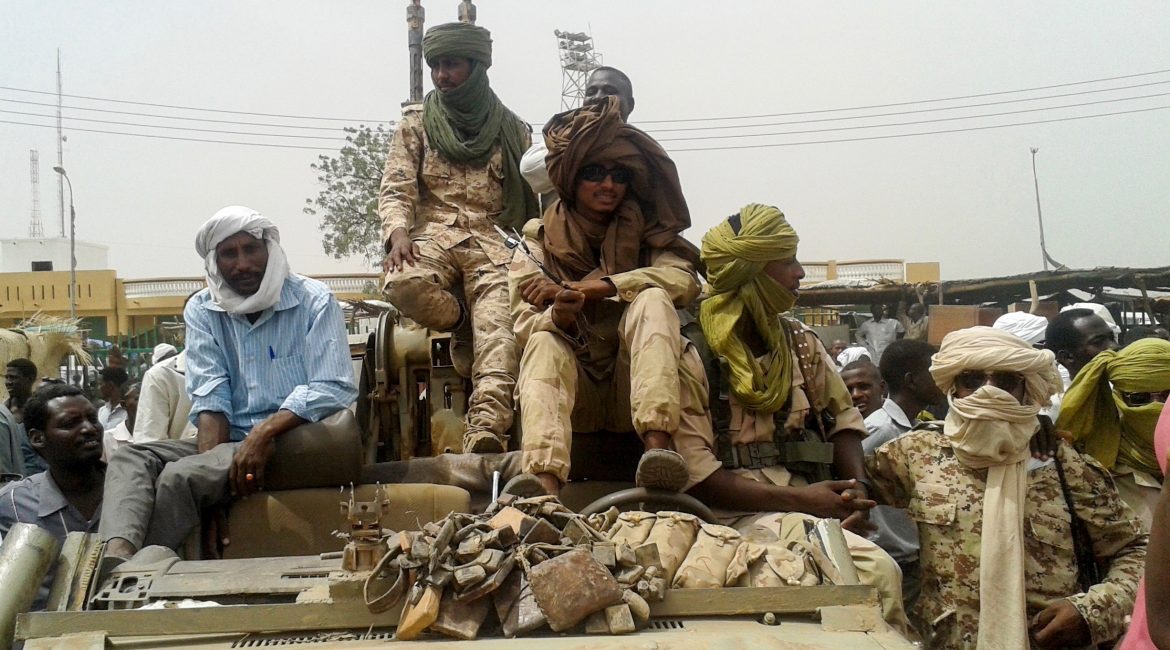
Only days after the announcement of Haroun as governor, Bashir ordered the Sudan People’s Liberation Movement-North (SPLM-N), which was primarily of Nuban ethnicity from the state, to either disarm or leave their homeland despite clear instructions under the peace agreement to integrate the two armies over a period of several months. The SPLM-N refused to disarm and its volunteer army, which includes traders, shopkeepers, and farmers, began fighting for political reform.
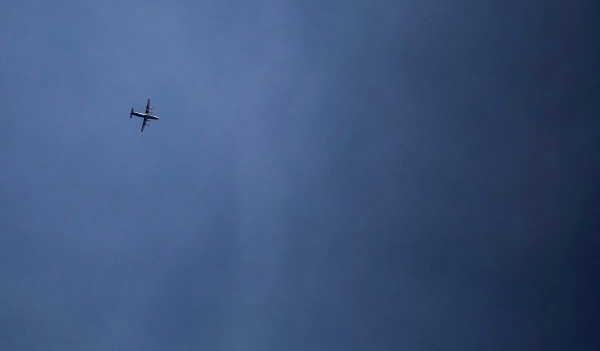
Sudan Armed Forces reportedly conducted door-to-door killings, looting, and destruction of property of Nuban and pro-SPLM-N supporters throughout Southern Kordofan. Civilians fled to caves in the Nuba Mountains to avoid the aerial bombs. Humanitarian aid organizations evacuated their workers, and the government of Sudan banned journalists from entering the region. We know, from photographs, that women and children were mangled and mutilated, some cut in halves, because of the government bombings. In a video later found by rebels at a military base, Haroun wears civilian clothes as he orders the clean extermination of his people: “Don’t bring them back alive. We have no space for them.”
Ryan Boyette, founder of Eyes and Ears Nuba, was working with an NGO that left Nuba when fighting erupted. He resigned from his position and stayed behind with his wife, Jazira, a health worker from Nuba. He has since formed Eyes and Ears Nuba, a small team of full-time citizen journalists. An international staff edits, designs, and uploads the information they gather, helping broadcast their reports to the world and to the Sudanese people.
Sometimes our content may show or describe graphic violence. For our reporters to witness these things and then for us to withhold the information would serve the wishes of the Sudanese government. Its leaders insist only rebel military posts are being targeted, but remains of bomb fragments have been found in villages with no military objective anywhere nearby. The Sudanese government refuses to allow aid agencies access to the Nuba Mountains; it says humanitarian assistance is not needed. Because the government also refuses journalists independent, impartial access to the region, stories about the starvation, murder, and systematic rape of civilians is not reaching a wider public.
The only witnesses are the Nubans.
Nuba Reports publishes only what our journalists witness or can confirm, and we practice vigilant fact-checking. When possible, we provide photographs, video evidence, and GPS coordinates for our reports.
WHAT CAN YOU DO?
The former chief of the United Nations in Sudan has called the government’s actions in the Nuba Mountains crimes against humanity. You can help stop the violence by exposing it. Please share our stories with your friends, family, local news organizations, and politicians. If you believe in our work and are able to give money, we accept donations. Any amount helps.